Key Takeaways
- Many people use “steam cleaning” as a general term, but most professional carpet cleaning uses hot water extraction.
- Hot water extraction removes dirt, allergens, and cleaning solution more effectively than many DIY methods.
- Professional extraction leaves less moisture behind for faster drying.
- Regular professional cleaning helps extend the life of your carpet.
- Understanding the cleaning method helps homeowners choose the right service.
If you’ve been researching carpet cleaning, you’ve probably seen the terms steam cleaning and hot water extraction used almost interchangeably.
So are they actually the same thing?
Not exactly.
While many homeowners use the phrase steam cleaning to describe any professional carpet cleaning service, the process most carpet manufacturers recommend is actually hot water extraction.
Understanding the difference can help you make a more informed decision about caring for your carpet.
Watch: What Professional Carpet Cleaning Actually Does
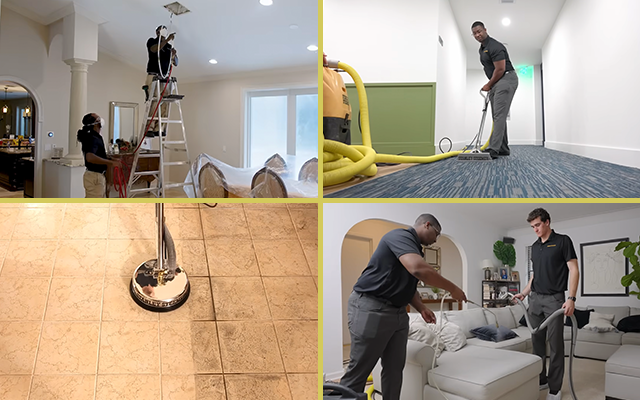
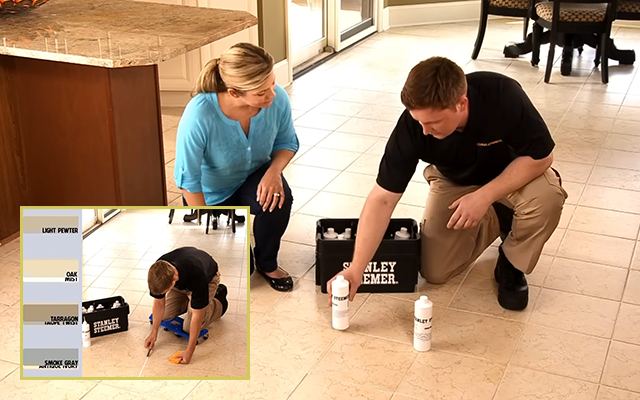
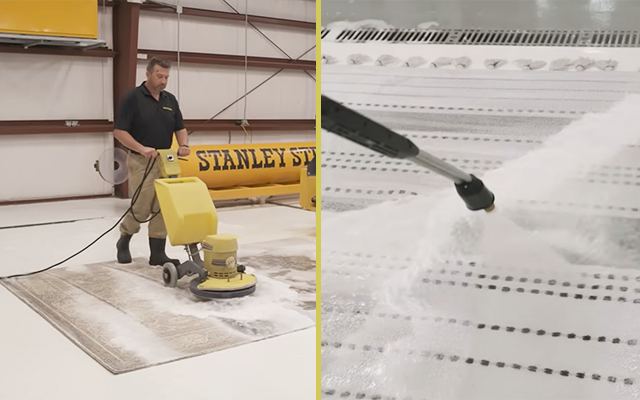
Our technicians explain the professional cleaning process, show the equipment in action, and walk through why proper extraction is so important.
Why the Confusion?
The term steam cleaning has been around for decades.
Because professional carpet cleaning uses hot water, many people naturally assume steam is doing the cleaning.
In reality, modern professional systems primarily rely on hot water combined with powerful extraction to flush dirt from carpet fibers and remove it from the home.
The real strength of the process isn’t just the heat—it’s the ability to thoroughly remove both the dirt and the water afterward.
What Is Hot Water Extraction?
Hot water extraction works by injecting heated water and cleaning solution deep into the carpet fibers.
Almost immediately afterward, powerful vacuum equipment extracts:
- Dirt
- Dust
- Allergens
- Cleaning solution
- Moisture
- Everyday contaminants
Instead of simply moving dirt around, the goal is to remove it from the carpet entirely.
This process reaches far deeper than routine vacuuming while helping preserve the carpet’s appearance and longevity.
As Stanley Steemer technicians explain, the objective is always to address what’s happening beneath the surface—not just improve how the carpet looks when the job is finished.
Why Extraction Matters
The extraction phase is where professional equipment really makes a difference.
Removing as much moisture as possible helps:
- Speed up drying
- Prevent excess residue
- Lift contaminants out of the carpet
- Leave the carpet feeling fresher
Consumer rental machines often have much less vacuum power, meaning more moisture can remain behind after cleaning.
That’s one reason professionally cleaned carpets typically dry faster.
Is Hot Water Extraction Safe for Carpet?
Yes.
In fact, hot water extraction is widely recognized as one of the safest and most effective methods for maintaining residential carpet.
Professional technicians adjust the process based on:
- Carpet type
- Fiber construction
- Soil level
- Areas of concern
- Manufacturer recommendations
That customized approach helps clean thoroughly while protecting the carpet itself.
Why Homes Benefit from Professional Extraction
Homeowners deal with challenges that aren’t always obvious.
Humidity.
Sand.
Pollen.
Daily foot traffic.
All of these contribute to dirt becoming embedded deep within carpet fibers.
In humid climates, removing moisture effectively is especially important because excess dampness can slow drying and contribute to lingering odors.
Professional extraction helps remove both the contaminants and the moisture that can remain trapped in the carpet after less powerful cleaning methods.
Does Hot Water Extraction Remove Allergens?
Professional hot water extraction removes much of the dust, pollen, pet dander, and other debris that settles deep into carpet fibers.
While no cleaning method can permanently eliminate allergens from a home, routine professional cleaning helps reduce the buildup that naturally occurs over time.
Combined with regular vacuuming, it’s an effective way to maintain a cleaner indoor environment.
Why DIY Machines Aren’t the Same
Rental carpet cleaners can be helpful for light maintenance or small spills.
However, they generally differ from professional equipment in several important ways:
- Lower water pressure
- Smaller vacuum motors
- Less extraction power
- Smaller recovery tanks
- Slower drying
Many homeowners are surprised to learn that the equipment—not the cleaning solution—is often the biggest difference between professional and consumer carpet cleaning.
How Often Should Carpets Be Professionally Cleaned?
Most homes benefit from professional cleaning every 12 to 18 months.
Homes with:
- Pets
- Children
- Heavy foot traffic
- Allergy concerns
often benefit from cleaning every 6 to 12 months.
Routine maintenance removes abrasive dirt before it has a chance to wear down carpet fibers and helps keep carpets looking their best for longer.
The Bottom Line
While many people still call it “steam cleaning,” the professional method most homeowners receive today is hot water extraction.
The combination of heated water, specialized cleaning solutions, and powerful extraction removes deep-down dirt while leaving carpets cleaner, fresher, and drier than many DIY alternatives.
Understanding the process helps explain why professional carpet cleaning is about much more than appearance—it’s about removing what’s trapped beneath the surface and helping protect one of the biggest flooring investments in your home.
Ready to Experience the Difference?
If your carpets are overdue for a deep clean, Stanley Steemer’s trained technicians use professional hot water extraction equipment designed to remove embedded dirt, allergens, and everyday buildup. Contact your local Stanley Steemer team today to request a free quote and enjoy cleaner, fresher carpets with results you can see and feel.