How Do You Know If Your Air Ducts Need Cleaning? 7 Signs to Look For
Air ducts are easy to forget about.
You see the vents and registers throughout your home, but most of the HVAC system is hidden behind walls, ceilings, and floors.
That makes it difficult to know what is happening inside.
Over time, dust, debris, pet dander, and other particles can collect within ductwork. But seeing a little dust on a vent does not automatically mean you need professional service.
The better approach is to look at the home as a whole.
Has dust become unusually persistent?
Did you recently renovate?
Do you have several pets?
Has it been years since anyone inspected the system?
Understanding the signs air ducts need cleaning can help you decide when routine maintenance is enough and when it makes sense to have a professional take a closer look.
Here are seven signs worth paying attention to.
1. Dust Keeps Collecting Around Your Vents
Some dust around vents is normal.
Your HVAC system constantly moves air through the home, and ordinary household dust can settle on registers over time.
Start with routine maintenance.
Carefully clean accessible vent covers and continue changing your HVAC filter according to the guidance for your particular system.
Then pay attention to what happens.
If substantial dust quickly returns around multiple vents, it may be worth investigating what is happening farther inside the system.
Professional air duct cleaning addresses areas beyond the register cover using equipment designed to clean deeper within the HVAC system.
The important point is not to judge the entire duct system by one dusty vent.
Look for a pattern.
2. Your Home Seems Dusty Again Right After You Clean
You dust the shelves.
Vacuum the floors.
Clean the furniture.
A short time later, it feels like the dust is back.
That can be frustrating, but air ducts are not the only possible explanation.
Dust enters homes through everyday activity, open doors, pets, clothing, outdoor air, and many other sources. Carpet, rugs, and upholstery can also hold particles that become disturbed during normal use.
Still, unusually persistent dust throughout several rooms can be one reason to consider an HVAC inspection.
Look at where the dust is accumulating.
Is it primarily around vents?
Is it appearing throughout the house?
Did the problem begin after construction or another major change inside the home?
Those details provide much more useful information than simply assuming dirty ducts are responsible.
Our upcoming guide to why your home can still feel dusty after cleaning will look more closely at the different surfaces and systems that can contribute to recurring household dust.
3. You Recently Completed a Renovation
Home renovation creates dust.
Sometimes a lot of it.
Drywall sanding, demolition, flooring installation, cabinetry work, cutting, and other construction activities can release fine particles throughout a home.
Even when contractors isolate the work area, some debris may travel into surrounding rooms.
If the HVAC system operates during the project, airborne material can potentially reach return vents and other parts of the system.
That makes post-renovation inspection a sensible consideration after larger projects.
It does not mean every renovation automatically requires professional duct cleaning.
Inspect first.
If significant construction dust or debris has entered the system, professional cleaning may be appropriate.
Our upcoming article on whether you should clean your air ducts after home renovations will cover this situation in more detail.
4. You Have Pets That Shed Hair and Dander
Pets affect more than the floors.
Hair, dander, dirt, and other particles can collect on:
- Carpet
- Area rugs
- Upholstery
- Bedding
- Hard floors
- HVAC filters
- Vent covers
Some smaller particles can also become airborne as people and pets move around the home.
That does not mean every pet household needs frequent duct cleaning.
Instead, pay attention to the overall conditions.
Multiple pets, heavy shedding, persistent dust, and visible buildup around vents may justify inspecting the HVAC system sooner than you otherwise would.
Professional upholstery cleaning and area rug cleaning can address buildup on other heavily used surfaces while an air duct inspection helps determine whether deeper HVAC cleaning is actually needed.
Our upcoming guide to where pet odors and buildup can hide around the home will explain why pet-related cleaning should consider more than just one surface.
5. Airflow Seems Different From Room to Room
One bedroom feels comfortable.
Another never seems to get enough conditioned air.
Or perhaps airflow from a particular register seems weaker than you remember.
Do not immediately assume dirty ductwork is responsible.
Airflow problems can have several possible causes, and some require evaluation by an HVAC professional rather than a cleaning company.
Still, noticeable changes in airflow are worth investigating.
A professional air duct inspection can help determine whether debris or buildup is present while also helping you understand whether the concern appears to be related to something other than cleaning.
This is an important distinction.
Good professional cleaning starts by understanding the problem—not by assuming every HVAC concern has the same solution.
6. You Cannot Remember the Last Time Your Ductwork Was Inspected
Ask yourself a simple question:
When was the last time anyone actually looked inside your air duct system?
For many homeowners, the answer is:
“I have no idea.”
Stanley Steemer technicians generally recommend considering professional air duct cleaning every three to five years.
But that should be treated as a general guideline rather than an automatic appointment date.
Certain circumstances may justify inspecting the system earlier, including:
- Significant remodeling
- Construction
- Changes inside the home
- Persistent dust concerns
- Pet-related buildup
- Other noticeable HVAC or indoor-air concerns
If the system was professionally cleaned recently and nothing significant has changed, another cleaning may not be necessary yet.
Our upcoming guide to how often air ducts should be professionally cleaned will explore why the condition and history of the home matter alongside the calendar.
7. You Keep Cleaning the Vents but the Problem Returns
Homeowners can perform useful HVAC maintenance themselves.
You can clean accessible vent covers.
You can remove visible surface dust.
You can replace HVAC filters according to the appropriate schedule for your system.
What you generally cannot do with a household vacuum is clean the entire duct system.
Your vents are only the visible endpoints.
The ductwork extends much farther through the home, including supply and return pathways that ordinary household equipment cannot properly reach.
If you repeatedly clean the accessible areas but continue seeing significant buildup, it may be time to have the deeper system inspected.
That is where professional equipment makes a meaningful difference.
Cleaning a Vent Is Not the Same as Cleaning the Air Duct System
This distinction causes a lot of confusion.
When homeowners see dust on a register, the natural response is to grab a vacuum.
That is perfectly reasonable for routine maintenance.
But vacuuming the register is surface cleaning.
Professional air duct cleaning addresses the larger system.
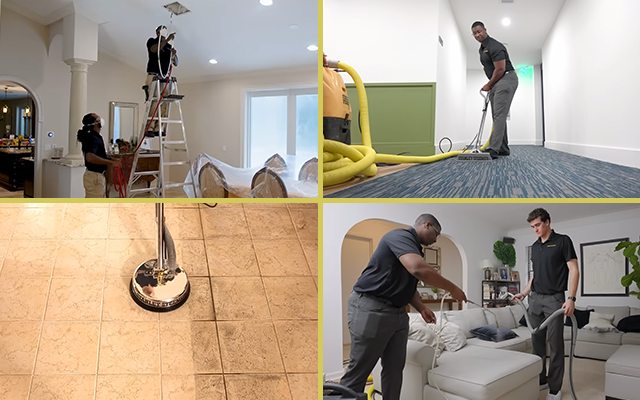
Stanley Steemer uses source-removal methods and specialized equipment designed to loosen and remove dirt and debris from ductwork rather than simply disturbing material inside it.
The process uses negative air pressure to create powerful suction through the system. Technicians then use specialized tools to help dislodge accumulated debris and move it toward the vacuum equipment so it can be removed.
The goal is not simply cleaner-looking vent covers.
It is deeper removal from the system when that service is actually needed.
Our upcoming article on DIY vent cleaning vs. professional air duct cleaning will explain what homeowners can reasonably maintain themselves and where professional equipment becomes necessary.
What Happens During Professional Air Duct Cleaning?
Homeowners are often more comfortable scheduling a service when they understand what is actually going to happen.
The process should begin by evaluating the system.
Every home is different.
A professional inspection can help identify visible buildup, answer homeowner questions, and determine whether cleaning is appropriate for the system.
When cleaning is needed, professional equipment creates negative air pressure to draw loosened dust and debris toward the collection equipment.
Technicians use specialized agitation tools to help dislodge material from inside the ductwork.
Accessible system components can also receive attention as part of the whole-system process.
The important difference is source removal.
The goal is to remove the material from the system rather than simply blow dust farther through the ductwork.
That is also why homeowners should be cautious about comparing a professional whole-system cleaning to a quick service that only addresses visible vents.
How Often Should Air Ducts Be Professionally Cleaned?
Stanley Steemer technicians generally recommend considering air duct cleaning every three to five years.
But the calendar should not be your only guide.
Consider what has happened inside the home since the last cleaning.
For example:
You May Want an Earlier Inspection After:
- Major renovations
- Significant construction
- Changes that created unusual amounts of dust or debris
- New persistent household dust concerns
- Other noticeable changes involving the HVAC system
You May Be Able to Wait When:
- Your ducts were cleaned relatively recently
- There has been no major renovation or construction
- You are not seeing unusual buildup
- Routine household cleaning is producing normal results
- There are no new concerns involving the system
Professional cleaning should solve an identifiable need.
It should not become an automatic service simply because another year appeared on the calendar.
Can Dirty Air Ducts Affect Indoor Air Quality?
Your HVAC system moves air throughout the home.
Dust, pollen, pet dander, and other particles can accumulate within indoor environments and may also collect inside ductwork.
Professional duct cleaning is designed to remove accumulated dust, allergens, and debris from the HVAC system when buildup is present.
But indoor air quality is broader than air ducts alone.
It can also be influenced by:
- HVAC filtration
- Pets
- Carpet and rugs
- Upholstery
- Outdoor particles
- Moisture
- Household activities
- Other indoor sources
That is why it is better to evaluate the entire home rather than treating air duct cleaning as a universal solution to every indoor air concern.
Our upcoming article on why your home can still feel dusty after cleaning will explore that whole-home relationship in greater detail.
What About Homes in Humid Climates?
Humidity creates another consideration, particularly for homes throughout Florida, Louisiana, Alabama, and Tennessee during humid parts of the year.
Air-conditioning systems often run heavily during warm, humid weather.
That means air is moving through the HVAC system for long periods.
Humidity itself does not mean your ducts are dirty or that they automatically require cleaning.
But homeowners should pay attention when HVAC concerns occur alongside unusual moisture, persistent musty odors, previous water intrusion, or other changes inside the home.
A musty smell should trigger investigation rather than an automatic cleaning appointment.
The source could involve several different areas of the home.
If there has been significant water intrusion, the issue may require water damage restoration rather than routine duct cleaning.
Finding the source comes first.
Don’t Forget the Dryer Vent
Your HVAC ducts are not the only hidden ventilation system in the home.
The dryer vent serves a completely different purpose.
As clothes dry, the system carries warm, moist air and lint away from the dryer.
Lint can accumulate inside that pathway over time.
Professional dryer vent cleaning is designed to remove that buildup and help the dryer vent operate more effectively.
Air ducts and dryer vents should not be treated as the same service.
But they have one thing in common:
Much of the system is hidden.
That makes routine attention and professional service when appropriate important parts of home maintenance.
Our upcoming Q4 guide to when you should have your dryer vent professionally cleaned will cover the warning signs and maintenance considerations in greater detail.
When Should You Start With an Air Duct Inspection?
Consider taking a closer look when several signs begin appearing together.
For example:
Persistent dust + years without an inspection
That is more meaningful than one dusty register.
Major renovation + construction debris
That provides a clear reason to check whether material entered the HVAC system.
Multiple pets + heavy shedding + recurring buildup
That may justify evaluating the system sooner.
Airflow changes + visible debris
That deserves investigation, although the ultimate cause may require an HVAC professional.
Think in terms of patterns.
One symptom rarely tells the entire story.
When Might Air Duct Cleaning Not Be Necessary Yet?
Not every home needs professional duct cleaning right now.
You may be able to continue normal maintenance when:
- The system was cleaned recently
- Vent covers have only ordinary household dust
- No major construction has occurred
- You are not seeing persistent or unusual buildup
- There have been no significant changes inside the home
This is where inspection and professional guidance are useful.
The goal should be to clean when there is a reason to clean.
Not simply because air ducts are hidden and difficult to evaluate yourself.
Start With What Your Home Is Telling You
Your home usually gives you clues.
Look around the vents.
Pay attention to recurring dust.
Think about recent renovations.
Consider your pets.
Remember when the system was last inspected.
Notice changes in airflow.
None of these signs automatically proves that your ducts need professional cleaning.
Together, however, they can tell you when it is worth taking a closer look.
Professional air duct cleaning is most useful when inspection identifies buildup that routine household maintenance cannot reach.
If you are unsure about the condition of your system, Stanley Steemer can help you understand what is happening before deciding what service is appropriate.
Request a free quote and talk with your local Stanley Steemer team about whether your air ducts need professional attention.
Key Takeaways
- Visible dust around vents can be worth investigating, but it does not automatically mean the entire duct system needs cleaning.
- Persistent household dust, recent renovations, pets, and noticeable airflow changes can all be reasons to inspect your ductwork.
- Stanley Steemer technicians generally recommend considering professional air duct cleaning every three to five years, with some circumstances warranting earlier attention.
- Cleaning vent covers with a household vacuum is useful maintenance, but it is not the same as cleaning the full HVAC system.
- Professional air duct cleaning uses specialized equipment and source-removal methods to loosen and remove dust and debris from the system.
- A professional inspection is a better starting point than assuming your ducts need cleaning based on one symptom.
- Dryer vents are separate from HVAC ductwork and have their own cleaning and maintenance needs.
FAQs
What are the most common signs that air ducts need cleaning?
Signs worth investigating include recurring dust around vents, unusually persistent household dust, significant recent renovations, pet-related buildup, noticeable airflow changes, and going several years without having the duct system inspected. No single sign automatically proves cleaning is necessary.
How often should air ducts be professionally cleaned?
Stanley Steemer technicians generally recommend considering professional air duct cleaning every three to five years. Renovations, construction, pets, persistent dust, or other changes inside the home may justify an earlier inspection.
Can I clean my air ducts myself?
Homeowners can clean accessible vent covers and perform routine HVAC maintenance such as filter replacement. However, household vacuums cannot reach or properly clean the full duct system. Professional cleaning uses specialized equipment to access and remove deeper buildup.
Is cleaning my air vents the same as cleaning my air ducts?
No. Vent cleaning removes dust from accessible registers and covers. Professional air duct cleaning addresses the deeper supply and return ductwork and uses specialized equipment designed for source removal.
Should I clean my air ducts after renovating my home?
A significant renovation is a good reason to inspect the duct system because construction can produce large amounts of fine dust and debris. Cleaning should depend on what entered the system rather than being automatic after every project.
Do homes with pets need air duct cleaning more often?
Not necessarily. Pets can contribute hair, dander, and tracked-in debris, but the actual condition of the ductwork should guide the decision. Multiple pets, heavy shedding, and recurring buildup may justify inspecting the system sooner.
Does air duct cleaning help with a dusty home?
Professional cleaning can remove accumulated dust and debris from ductwork when buildup is present. However, household dust has many potential sources, so persistent dust should be evaluated as a whole-home issue rather than automatically blamed on the ducts.
Is dryer vent cleaning included with air duct cleaning?
They are separate services. HVAC air ducts circulate conditioned air throughout the home, while a dryer vent carries warm, moist air and lint away from the clothes dryer. Each system has different maintenance and cleaning needs.